
Common Minimally Invasive Orthopaedic Surgeries
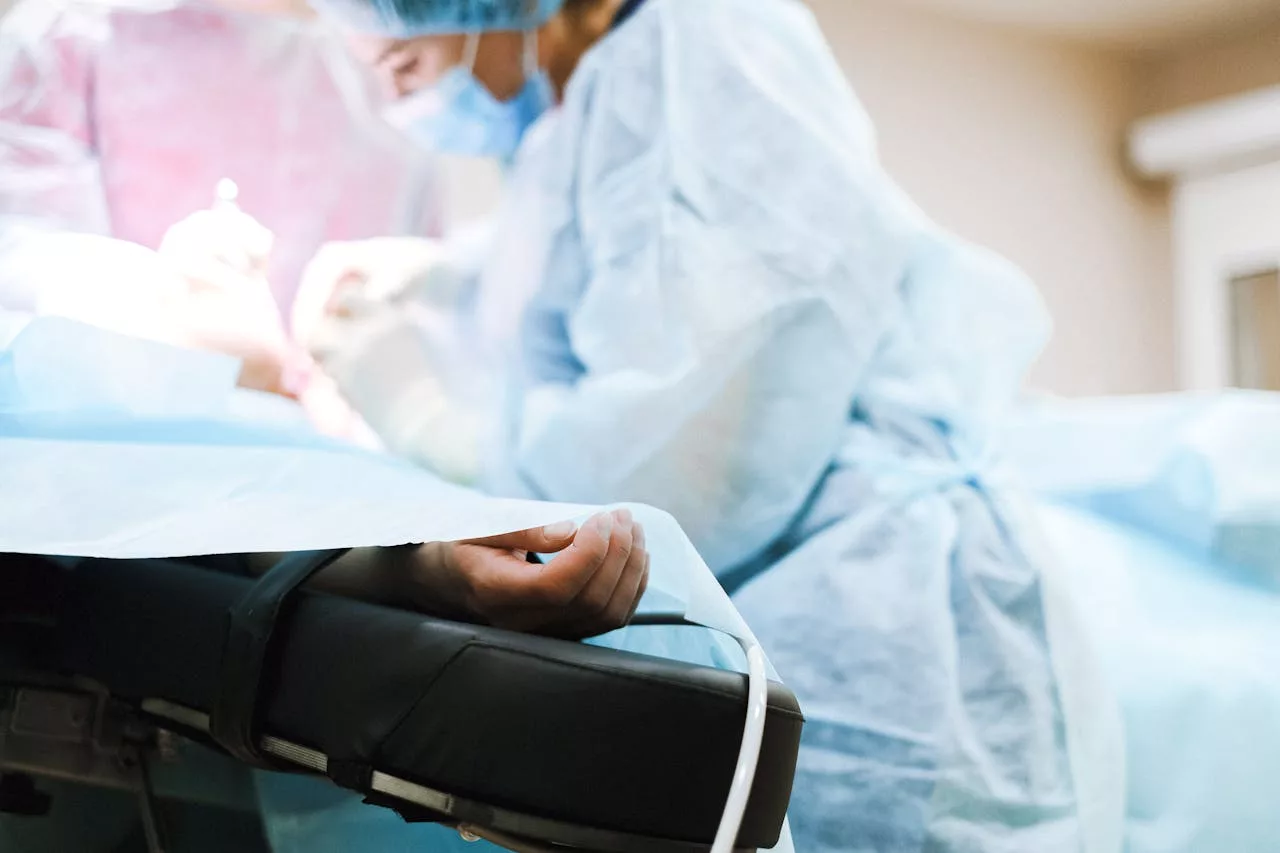
Minimally invasive orthopaedic surgeries frequently performed include arthroscopic procedures for the knee, shoulder, hip, or wrist, typically for ligament or meniscus repair. Additionally, minimally invasive total joint replacements are common for the hip or knee. Arthroscopy, which involves small incisions for inserting a camera and specialized instruments, is used to treat injuries. This technique generally leads to faster rehabilitation, less tissue damage, and reduced pain compared to traditional surgery.
Joint Replacement Surgery
Minimally invasive joint replacement procedures, such as hip or knee replacements, are characterized by smaller incisions and less damage to surrounding tissues. This surgical approach significantly accelerates recovery and allows patients to resume their daily routines more quickly. In addition, the precision of these techniques often leads to enhanced joint function and greater longevity of the prosthetic implants.
Knee Arthroscopy
Knee arthroscopy is a minimally invasive surgical procedure. Knee arthroscopy is commonly used for ACL tear reconstruction and meniscal tear repair.
Shoulder Arthroscopy
Shoulder arthroscopy is a frequently performed minimally invasive surgical procedure. It involves using an arthroscope and specialized instruments to gain a clear view of the joint and execute necessary repairs. This technique is commonly used to alleviate discomfort stemming from injuries to the rotator cuff tendons, labrum and other soft tissues surrounding the shoulder joint.
Benefits of Minimally Invasive Orthopaedic Surgeries
- Reduced Scarring: Smaller incisions results in smaller, less noticeable scars.
- Faster Recovery: Patients can return to daily activities much faster due to minimal muscle and tissue damage.
- Lower Risk of Infection: The risk of infection, bleeding, and complications is reduced because the soft tissues are exposed less to the surrounding environment.
- Reduced Pain and Discomfort: Smaller incisions typically result in reduced pain and discomfort.
Could a minimally invasive orthopaedic procedure be right for me?
Non-surgical approaches and conventional surgery remain the established treatment choices for many orthopaedic injuries and conditions. The physicians at Restoration Orthopaedic are dedicated not only to the healing of their patients, but to a multidisciplinary approach to restoring their overall health and wellbeing to ensure that they achieve the best outcomes possible. Contact our team to find out how we can help you.