
Don’t Let a Fall Leaf-Raking Injury Sideline You: Protecting Your Shoulders and Lower Back This Autumn
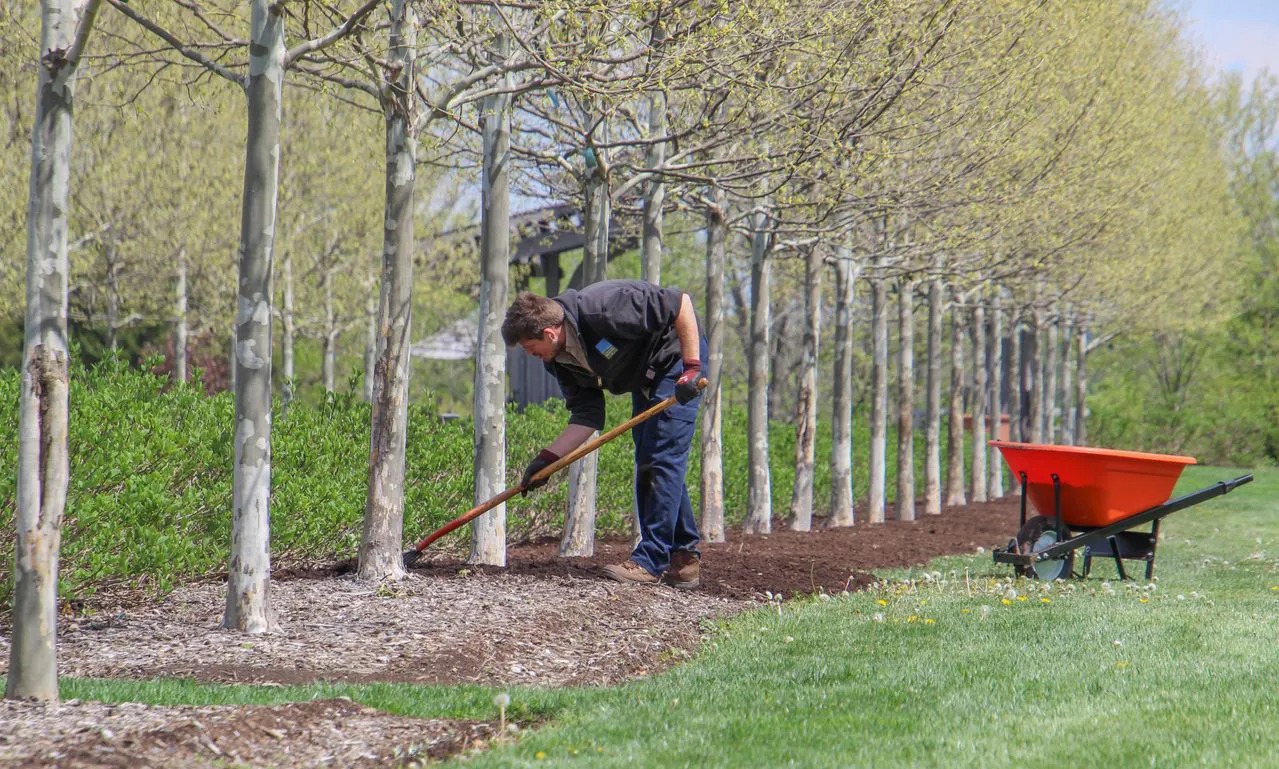
When vibrant red and orange foliage covers lawns across Maywood, Wayne, and nearby North Jersey suburbs, it signals the return of autumn leaf raking.
Although collecting leaves appears to be a straightforward routine task, it serves as an intense physical workout. Continuous pulling, twisting, and heavy lifting subject the body to substantial strain. Consequently, our practice experiences a noticeable rise in patients with acute lower back spasms, stiff necks, and rotator cuff injuries throughout October and November.
To help safeguard your spine and shoulders during fall yard work, the specialists at Restoration Orthopaedics offer these key protective strategies.
Understanding Joint Strain from Autumn Yard Work
Gathering leaves places unique demands on your body by combining unfamiliar movements simultaneously.
- Handling Heavy, Wet Debris: Autumn conditions in New Jersey often leave foliage damp and heavy. Lifting water-soaked bags with your back rather than your legs can trigger painful, incapacitating muscle spasms.
- Continuous Torso Rotation: Moving leaf piles sideways relies on twisting force. Rotating your spine under load increases the strain on lumbar muscles and heightens the risk of disc injuries.
- Excessive Extension: Stretching forward to gather distant leaves places unnecessary strain on your rotator cuff tendons and shoulder muscles, forcing them to pull heavy loads from an unstable position.
Tips to Protect Your Body
Practicing smart ergonomics and pacing yourself offers an effective way to safeguard your spine and upper body.
- Start with a Warm-Up: Boost joint circulation and prepare your muscles by spending 5 to 10 minutes on light dynamic stretches, such as shoulder rolls, gentle torso twists, and basic lunges.
- Alternate Hands: Raking with the same side forward all afternoon creates asymmetrical muscle strain and overworks one side. Switch your hand positioning every 15 minutes to evenly share the effort across both sides of your back and shoulders.
- Position the Rake Close to Your Body: Resist reaching far out to drag leaf piles toward you. Instead, maintain an upright posture with feet shoulder-width apart, walk with the rake, and pull it toward your center of gravity rather than overextending your arms.
- Lift Using Your Legs: Avoid bending at the waist with straight legs when bagging debris. Keep your spine straight, bend at the hips and knees, hold the bag close to your body, and power up using your legs and glutes.
- Use Ergonomic Equipment: An ergonomic rake with an angled handle significantly minimizes forward bending. Also, keep yard bags lighter—particularly with damp leaves—to prevent structural strain and injury.
Recognizing When to Consult an Orthopedic Specialist
Following strenuous yard work, experiencing mild muscle soreness or delayed-onset fatigue over the next day or two is entirely normal. These manageable symptoms usually improve with simple conservative measures, including rest, ice application, and over-the-counter anti-inflammatory medications.
Nevertheless, prompt medical attention is recommended if you notice any of the following warning signs:
- Severe, sharp lower back pain that is preventing you from standing fully upright.
- Radiating pain, numbness, or tingling extending down your leg (sciatica) or into an arm.
- An abrupt popping or tearing feeling in the shoulder, accompanied by a loss of arm movement.
- Discomfort that steadily intensifies across multiple days instead of easing.
Our fellowship-trained specialists at Restoration Orthopaedics are committed to helping you recover peak function through personalized local care, ranging from conservative physical therapy and targeted injections to specialized procedures.
If ongoing shoulder or back pain is keeping you from enjoying autumn, contact us today to book a consultation.