
Essential 2026 Exercises for Joint Health
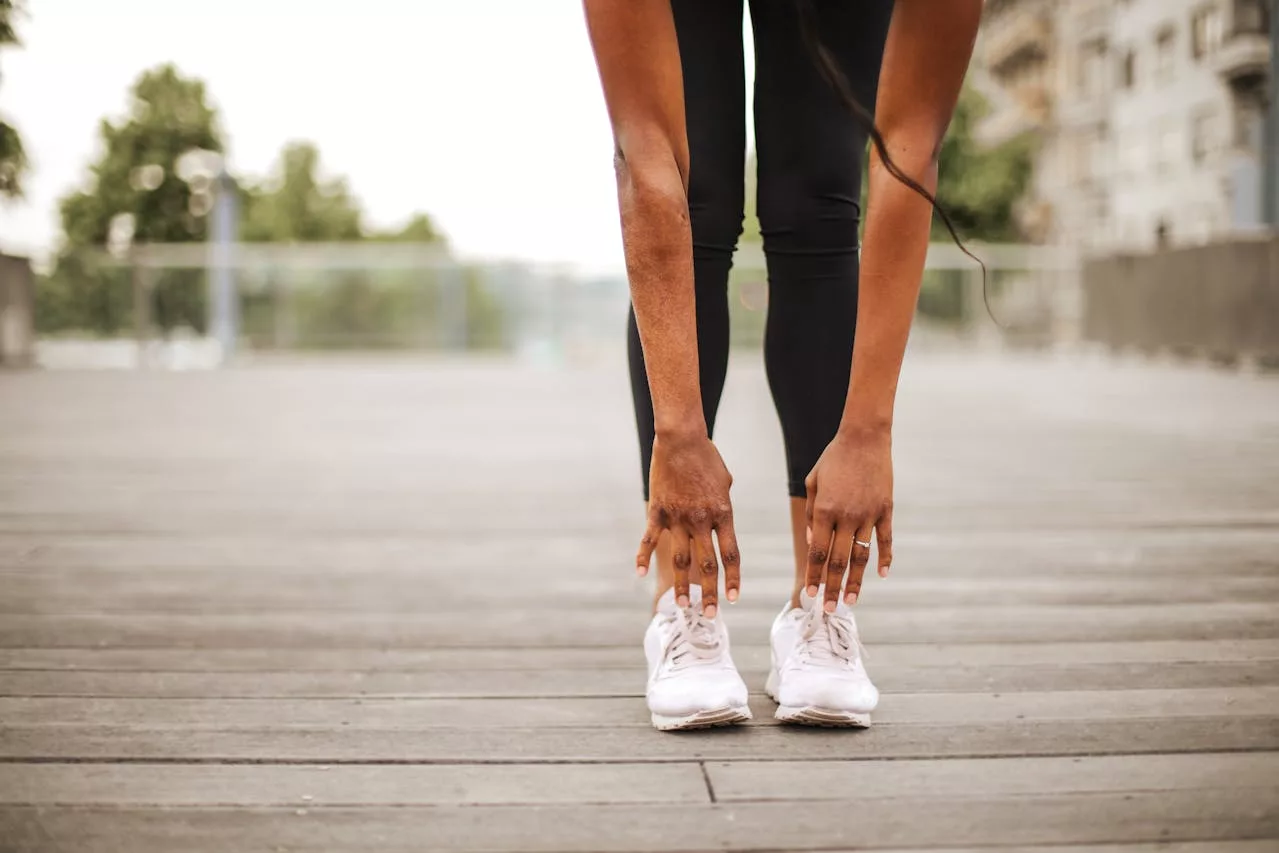
Maintaining joint health in 2026 requires a focus on proper exercising habits. To reduce stiffness and support cartilage, essential activities include walking, cycling, swimming, and water aerobics. Furthermore, long-term joint function and mobility are enhanced by strengthening surrounding muscles using light weights or resistance bands, and incorporating mobility practices such as yoga or tai chi. Let’s run through some of these exercises and habits to promote your joint health.
Essential 2026 Joint Health Exercising Habits
To safeguard your joints and ensure their longevity, prioritize the following habits:
- Build Strength for Joint Support: Make strength training a core habit. Developing muscle acts as a natural shock absorber for your joints. Focus on balanced, functional exercises designed to promote joint health over the long term.
- Choose Low-Impact Cardio: Incorporate activities like swimming, cycling, rowing, or using the elliptical. These low-impact options maintain cardiovascular fitness while preventing the repetitive, high-stress impact that can harm joints.
- Ensure Daily Mobility and Warm-ups: Maintain joint flexibility and range of motion through consistent mobility work (targeting hips, shoulders, and ankles). Always use dynamic stretching as a warm-up before any physical activity.
- Practice Gradual Activity Loading: Avoid the risk of the “weekend warrior” approach. Allow your body’s tissues time to adapt by slowly increasing the intensity and duration of your activities, ideally by no more than 10% per week.
- Maintain Daily Joint Movement: Prevent long periods of stillness. Move frequently throughout the day to encourage the circulation of synovial fluid, which is vital for joint health.
- Listen to Pain Signals: Learn to differentiate between healthy muscle soreness and harmful joint pain (sharp pain or swelling). When the latter occurs, modify the activity, rest, and use ice as needed.
Essential Low-Impact Aerobic Activities for Joint Health
To maintain healthy joints and prevent stiffness, incorporate low-impact aerobic exercises into your routine:
- Walking: Daily brisk walking is excellent for lubricating joints and reducing stiffness, especially in the knees and hips.
- Water Aerobics/Swimming: Water’s natural buoyancy minimizes stress on your joints while offering resistance for strength training.
- Cycling/Elliptical: These options provide cardiovascular benefits while supporting your weight, protecting your knees, hips, and ankles.
To prevent joint injuries, Restoration Orthopaedics recommends these essential 2026 exercises, focusing on “prehab” to proactively strengthen key areas:
Targeted Strengthening Exercises:
- Knees and Hips: Begin with bodyweight exercises like bridges, clamshells, and wall sits to build strength in the glutes and quadriceps.
- Shoulders: Perform external rotations using resistance bands. Avoid overhead presses, especially if you have existing instability.
- Core and Spine: Use planks and bird-dogs to establish stability, which is crucial for protecting all major joints.
Joint-Protective Strength Training
To shield your joints from injury, incorporate focused strength training:
- Build a Shock-Absorber System: Utilize resistance bands or light weights to strengthen the muscles surrounding your joints. Prioritize quadriceps development for knee stability and glute strength for optimal hip health.
- Focus on Control, Not Impact: Execute exercises with controlled, full-range-of-motion movements. This approach builds supportive muscle mass without the jarring impact of high-intensity exercises that can aggravate joints.
Enhancing Joint Health through Flexibility and Movement
To minimize joint wear and tear and promote overall alignment, prioritize flexibility and range-of-motion (ROM) exercises. Incorporate practices like Yoga and Pilates to build core stability and enhance flexibility. Additionally, make daily stretching a habit to keep your joints well-lubricated. Always begin your routine with dynamic stretches, such as arm circles or leg swings, to properly warm up the body.
Enhancing Balance and Functional Movement:
- Tai Chi: This practice is highly effective for improving proprioception—your body’s sense of self-position—which is crucial for injury prevention, particularly in older individuals.
- Simple Stability Drills: Incorporate exercises like single-leg stands and tandem (heel-to-toe) walking to boost overall stability.
Adopting these simple habits can dramatically decrease the risk of re-injury. Even with the best preventative habits, certain factors like age, pre-existing injuries, or arthritis may necessitate a professional evaluation. Be alert for these warning signs:
- Persistent Symptoms: Swelling that doesn’t subside, a feeling of the joint “giving way,” or noticeable clicking sounds.
- Worsening Pain: Pain that is severe enough to interrupt sleep or increases even during periods of rest.
- Limited Mobility: A reduced range of motion that persists despite regular stretching.
These symptoms can indicate significant issues such as a fracture, cartilage damage, or a rotator cuff tear, requiring imaging and expert medical opinion. Restoration Orthopaedics offers comprehensive orthopedic services to provide precise, tailored solutions.