
Outpatient Joint Replacement vs. Traditional Surgery: Which is Right for You?
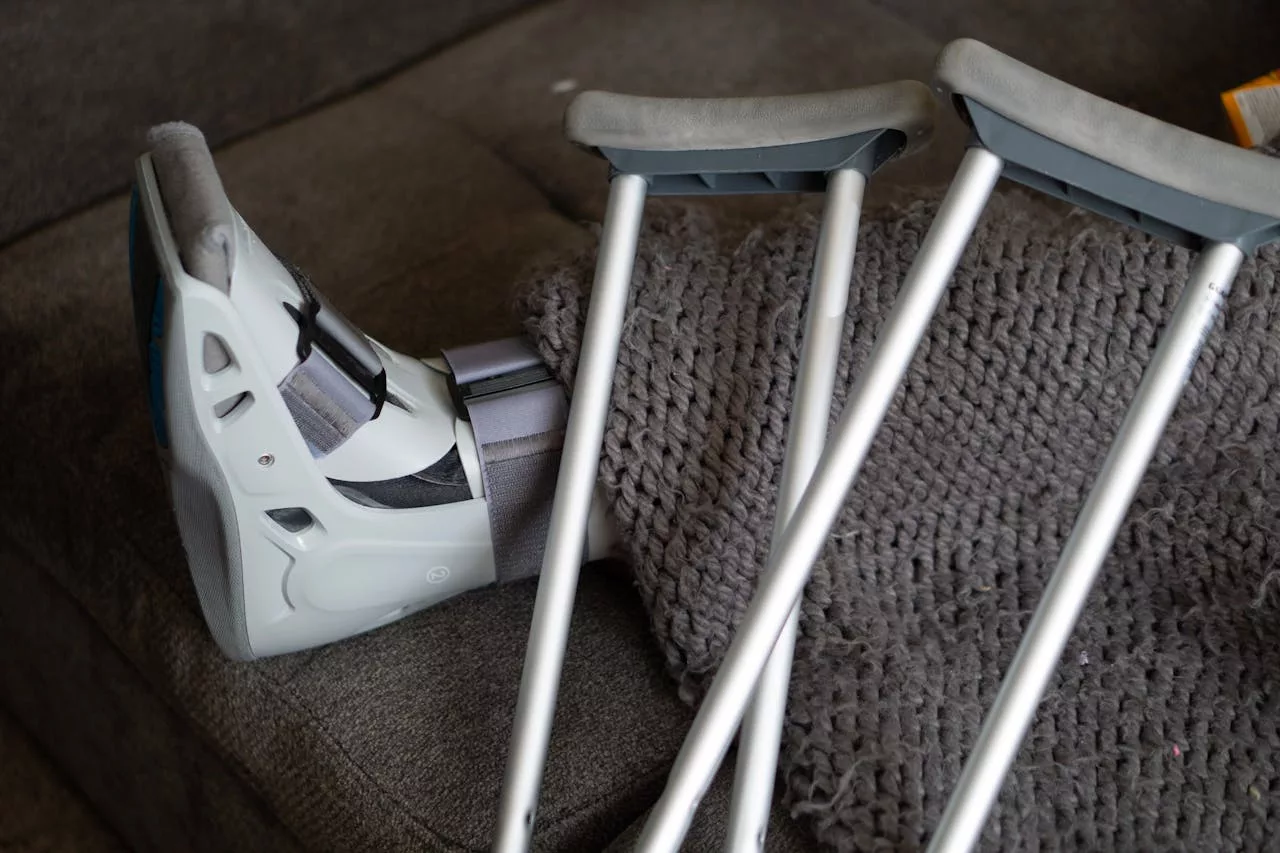
With same-day outpatient joint replacement, patients can undergo their surgical procedure and return home on the very same day, benefiting from reduced medical expenses, a lower risk of hospital-acquired infections, and a faster recovery process in a comfortable, familiar setting. On the other hand, conventional inpatient surgery remains a safer and more appropriate path for individuals managing complex health issues or those who do not have adequate care and assistance available at home.
Comparison of Surgical Methods
| Feature | Outpatient (Same-Day) | Traditional (Inpatient) |
| Recovery Location | Patients return home on the same day as their procedure. | Involves an overnight hospital stay, typically lasting 1 to 3 days. |
| Pain Management | Uses advanced regional blocks and multimodal protocols, reducing reliance on heavy narcotics. | Depends heavily on immediate postoperative IV pain relief and extended-use narcotics. |
| Incision Size | Typically smaller incisions combined with muscle-sparing methods to limit tissue disruption. | Frequently requires larger incisions for full joint accessibility. |
| Infection Risk | Lowered by avoiding prolonged exposure to other sick patients in a hospital setting. | Marginally higher due to extended time spent in the hospital environment. |
| At-Home Support | Needs a committed caregiver to help with daily activities during the initial 24 to 48 hours. | Hospital personnel handle early recovery needs, though caregivers assist after discharge. |
Determining the Best Option for You
The ideal surgical path depends on a combination of your overall physical health, the complexity of your procedure, and the support environment you have at home.
- Outpatient Joint Replacement is generally recommended if you are active and in good health, have a lower BMI, are a non-smoker, have well-controlled chronic illnesses, and have a committed caregiver ready to assist you at home for the first few days.
- Traditional Inpatient Surgery is typically required if you manage complex cardiac, respiratory, or metabolic conditions that demand 24-hour medical monitoring, are undergoing a complex revision of an existing implant, or do not have a strong caregiving support system at home.
To find out which option fits your needs, schedule a consultation with the specialists at Restorative Orthopaedics.