
Pre-Season Conditioning for Poconos and Tri-State Skiers: Protect Your Knees Before the First Run
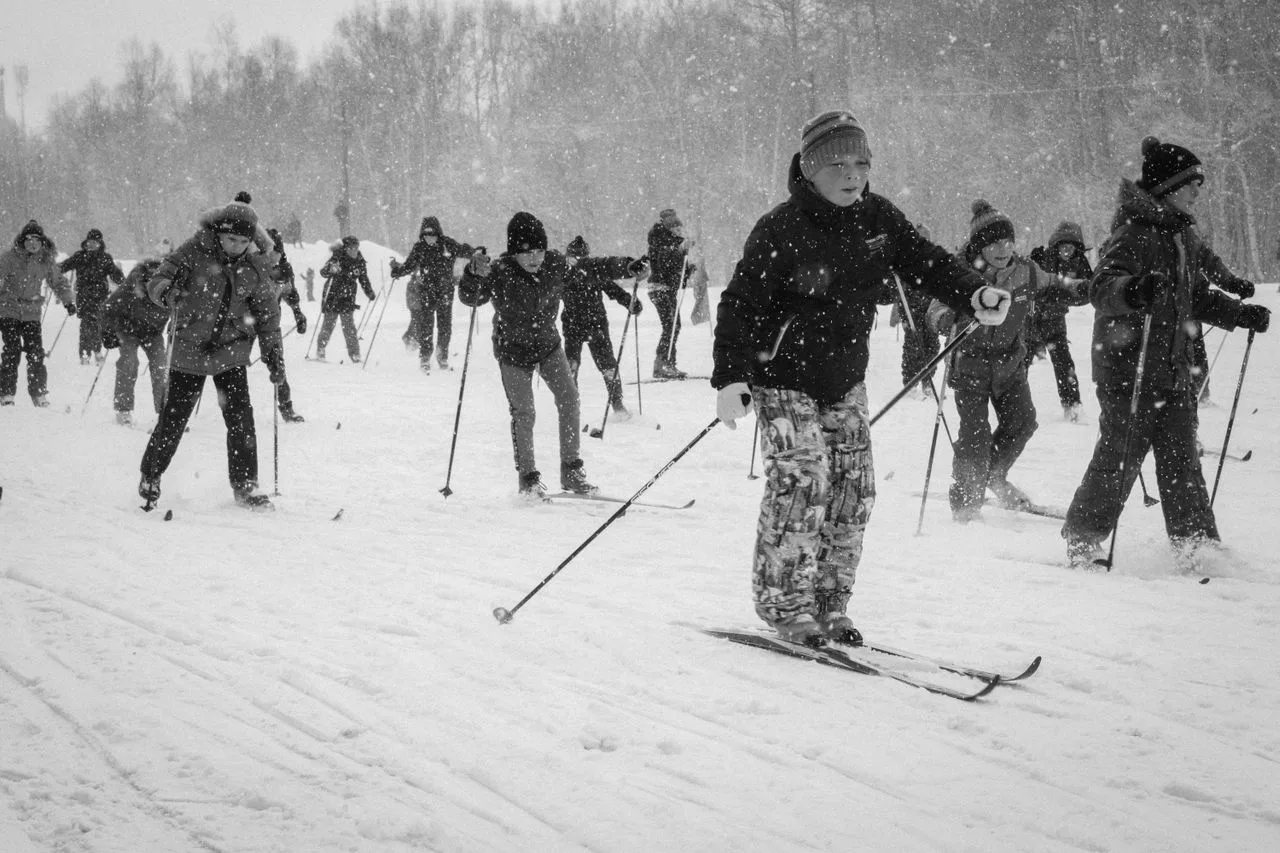
As November arrives, skiers and snowboarders across New Jersey begin prepping their gear by sharpening edges, applying wax, and closely tracking winter weather reports for destinations throughout the Poconos, Catskills, and Vermont. Whether you’re taking short weekend runs up I-80 to Blue Mountain and Camelback or venturing further north, proper equipment is only part of getting slope-ready.
Winter sports exert intense, high-velocity forces on the lower body, with the knees taking on the bulk of the strain. Committing a few weeks to pre-season physical preparation and taking care of minor joint discomfort before stepping into your bindings can mean the difference between enjoying a full season on the snow or suffering an early injury.
Understanding Knee Vulnerability in Winter Sports
Alpine skiing and snowboarding subject the knees to distinct physical demands compared to activities like running or cycling. They force the joint to handle strong downward forces alongside twisting and lateral torque. Furthermore, colder weather tightens muscle tissue and stiffens joint capsules, increasing ligament susceptibility to sudden strain.
The medial collateral ligament (MCL) and anterior cruciate ligament (ACL) function as the knee’s main stabilizing structures. As muscle fatigue sets in across the hamstrings and quadriceps during late-afternoon runs, these muscles lose their ability to absorb impact, placing direct shock onto the joint’s cartilage and ligaments.
Key Warning Signs for a Pre-Skiing Knee Evaluation
- Joint Line Tenderness: Pain or sore spots focused along the inner or outer edge of the knee suggest it should be checked before putting on rigid ski boots.
- Giving Out or Instability: A sensation that your knee might collapse while on uneven terrain or stairs signals that key stabilizing ligaments require clinical assessment.
- Popping, Catching, or Clicking: Any mechanical resistance or noises during bending and extension typically indicate potential meniscus damage.
- Ongoing Swelling: Persistent fluid accumulation following minor physical effort reflects active joint inflammation.
Scheduling an assessment early in November provides sufficient time for targeted physical therapy, diagnostic imaging, or minimally invasive treatments. Taking action now ensures you can spend the season on the slopes rather than recovering through the spring.
Four Knee-Stabilizing Exercises to Start This November
Strengthening your quadriceps, hamstrings, glutes, and core as a cohesive system builds necessary endurance and helps protect your ACL.
1. Wall Sits (Isometric Quad Endurance)
Holding a sustained semi-squat is essential for skiing. Wall sits condition your quads to resist fatigue without subjecting your joints to dynamic stress.
- Lean against a sturdy wall and slide down until your knees are bent to a 90-degree angle. Ensure your knees remain positioned directly above your ankles.
- Maintain the hold for 30 to 60 seconds, rest for 30 seconds, and complete 3 to 4 sets.
2. Eccentric Step-Downs
Controlled downward movement is just as vital as powering upward. Eccentric training teaches your muscles to absorb force like brakes, offering vital ACL protection during mogul runs and steep turns.
- Stand on a low step on one leg. Take 3 to 4 seconds to slowly lower your opposite heel toward the ground, ensuring your standing knee stays aligned over your second toe without collapsing inward. Touch your heel down lightly, then press back up to the starting position.
- Complete 3 sets of 10 reps on each leg.
3. Single-Leg Romanian Deadlifts (RDLs)
Robust hamstrings pull backwards on the shinbone to support the ACL in resisting forward knee displacement during high-stress movements. Unilateral work further refines stability across the hips and ankles.
- Balance on your right leg with a soft bend at the knee. Hinge forward at your hips, reaching your left leg straight out behind you while lowering your chest toward the floor. Keep your spine neutral and hips level, then engage your hamstrings and glutes to return to standing.
- Complete 3 sets of 8 to 10 reps per leg.
4. Lateral Band Walks
Executing clean turns requires robust hip abductors to prevent inward knee collapse, which is the primary cause of non-contact ACL tears.
- Secure a resistance band right above your ankles or around your lower thighs. Sink into a quarter-squat position and step sideways in a deliberate, controlled manner, keeping constant tension on the band.
- Step 10 to 12 times to the right, then 10 to 12 times to the left for a total of 3 sets.
Prepare for the Slopes with a Pre-Season Knee Assessment
Don’t let lingering knee discomfort ruin your ski season this fall. Arranging a pre-season evaluation provides clear insights into your joint health and opens up tailored treatment options ranging from targeted physical therapy to non-surgical orthobiologics and minimally invasive procedures.
To ensure your knees are fully equipped for the winter snow, reach out to our New Jersey Restoration Orthopaedics specialists today, book your assessment, and take to the slopes with total peace of mind.